Quiet Journeys Through Slovenia’s Wild Places

Join us as we explore Low-Noise Mobility Solutions for Slovenia’s National Parks, focusing on Triglav National Park and kindred protected landscapes. From electric shuttles and bike routes to quiet footpaths and mindful visitor etiquette, discover how gentle movement preserves wildlife, restores human calm, and sustains local communities while still making adventures accessible throughout valleys, ridgelines, lakeshores, and historic villages.

Listening First: Protecting Wild Soundscapes While We Move

What Noise Does to Wildlife, From Forests to High Pastures

Research across mountain parks shows that persistent noise shifts feeding times, masks alarm calls, and pushes animals toward riskier terrain. In Slovenia’s forests and high pastures, keeping decibels low means capercaillie lekking undisturbed at dawn, chamois staying visible longer, and brown bears avoiding unnecessary encounters. The simpler the soundscape, the clearer the signals wildlife exchange to survive winter, raise young, and maintain balanced territories.

Why Travelers Remember Silence More Than Speed

Research across mountain parks shows that persistent noise shifts feeding times, masks alarm calls, and pushes animals toward riskier terrain. In Slovenia’s forests and high pastures, keeping decibels low means capercaillie lekking undisturbed at dawn, chamois staying visible longer, and brown bears avoiding unnecessary encounters. The simpler the soundscape, the clearer the signals wildlife exchange to survive winter, raise young, and maintain balanced territories.

A Tradition of Soft Steps in Alpine Valleys

Research across mountain parks shows that persistent noise shifts feeding times, masks alarm calls, and pushes animals toward riskier terrain. In Slovenia’s forests and high pastures, keeping decibels low means capercaillie lekking undisturbed at dawn, chamois staying visible longer, and brown bears avoiding unnecessary encounters. The simpler the soundscape, the clearer the signals wildlife exchange to survive winter, raise young, and maintain balanced territories.

Quieter Wheels, Oars, and Footsteps

Quiet transport is a blended toolkit, not a single silver bullet. Electric microbuses cover valleys efficiently, while bicycles and e-bikes extend reach without intrusion. Electric boats, where permitted, complement lakeside paths; shoe-friendly surfaces and trail etiquette complete the picture. Combining modes with clear signage and gentle pacing turns journeys into restorative chapters that respect songbirds, protect views, and keep the day’s soundtrack mostly wind, water, and friendly greetings.

Electric Shuttles and Microbuses That Glide Past Meadows

Short, frequent electric shuttles moving between car-free gateways and trailheads reduce private traffic dramatically. With low rolling noise, regenerative braking, and capped speeds, they slip past meadows without startling wildlife. Visitors benefit from predictable timetables, integrated ticketing, and multilingual updates, while communities gain cleaner air, safer village streets, and reliable seasonal jobs maintaining batteries, stations, and accessible stops designed for families, elders, and hikers carrying gear.

Bike Networks and E‑Bike Share Linking Rail to Trailheads

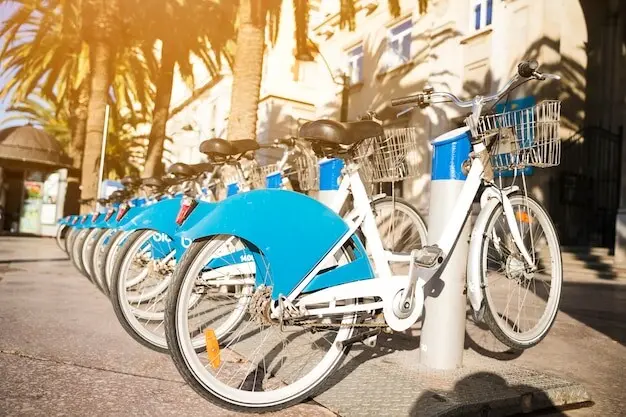
Waymarked cycleways linking rail stops, villages, and park entrances invite slow discovery and quiet arrivals. E-bike share docks near pensions and farms make climbs manageable without engines droning through valleys. Gravel spurs distribute visitors across viewpoints, reducing bottlenecks and chatter. Combined with luggage transfer options and repair stations, cycling becomes the relaxed default, freeing shuttles for those who most need them and opening remote, delicate areas only to foot traffic.

Boardwalks, Gravel, and Footwear That Muffle Each Step

Footfall matters. Boardwalks over wetlands, resilient gravel on steep grades, and rubber-tipped poles soften the percussive signature of movement. Simple signage encourages staggered departures for groups, spreading sound over time and space. Trail crews can add brushwood berms that absorb noise, while outfitters rent footwear with softer soles. These micro-choices compound, delivering calm corridors where amphibians breed, orchids flourish, and people notice subtle scents, textures, and distant ridgelines.

Charging Powered by Sun and Water, Placed With Care
Photovoltaic rooftops on shelters, micro-hydropower where suitable, and grid connections timed to off-peak hours keep charging quiet and clean. Stations tucked beside existing service yards, screened by native shrubs, reduce visual and acoustic spill. Smart software staggers fast charges overnight, avoiding generator use. Clear wayfinding prevents circling vehicles, while integrated data helps planners match charger capacity with actual demand patterns rather than hopeful guesses.

Road Surfaces, Speeds, and Tires That Keep Decibels Down

Porous asphalt, rubberized aggregates, and properly maintained gravel absorb tire hiss and blunt impact noise. Low-rolling-resistance tires and speed governors further reduce acoustic peaks at corners and descent zones. In villages, raised crossings and chicanes calm traffic without horns or heavy braking. Combine maintenance schedules with wildlife calendars so resurfacing avoids nesting and breeding windows, protecting both soundscapes and the reputation of responsible, attentive stewardship.

Scheduling, Zoning, and Car‑Free Gateways That Reduce Clamor

Timed-entry windows, shuttle-only hours, and event calendars spread movement thoughtfully across days and seasons. Car-free gateways near rail stations invite seamless transfers, while remote park-and-ride lots prevent convoys from entering delicate valleys. Real-time occupancy dashboards guide choices, curbing frustration and noise from idling. Zoning separates quiet core habitats from social hubs, ensuring families can chat happily in villages while treelines remain whispering, not roaring.

Field Notes From Slovenia and the Alps

A Ranger’s Dawn Patrol and the Value of a Whisper

On a spring patrol, a ranger paused above a larch grove and watched a fox cross open grassland, unhurried, because the first electric shuttle was still kilometers away. He remembered when diesel tours arrived early, scattering deer. The new timetable, posted widely and respected by drivers, restored a predictable dawn, and visitor photos improved because animals behaved naturally rather than bracing against mechanical clatter.

Seasonal Park‑and‑Ride Around Lakes and Valleys

Summer weekends once brought congested access roads and frayed tempers. Trial car-free windows, paired with valley shuttles and bike hire at the railhead, replaced queues with movement that breathed. Lakeside paths felt conversational again; cafés reported steadier business across the day. Residents who had avoided errands during peaks returned, trusting that visitors would arrive gently and leave parking stress behind the foothills where it belongs.

Local Businesses Building a Quiet Economy

A family workshop shifted from souvenir trinkets to e-bike maintenance and luggage transfers, aligning livelihoods with quieter travel. Guides retooled itineraries around sound-sensitive moments: dawn birding, midweek hut approaches, stargazing after shuttles stop. Hotels offered earthing walks instead of late-night music hours. The result was not silence for its own sake, but a thriving hospitality rhythm that lets nature’s voices headline the experience.

Rules, Budgets, and Partnerships That Make Quiet Possible

Writing Acoustic Targets Into Tenders and Contracts

Write specifications that cap maximum exterior decibels, require smooth acceleration profiles, and prioritize tires tested on quiet pavements. Score bidders on noise at typical gradients, not only on laboratory results. Include driver training, maintenance protocols, and monitoring devices in contracts. With clear performance clauses and community reporting, suppliers compete to be calmer, not merely cheaper, building a market that rewards care and transparency.

Finding the Money: EU Funds and Community Support

Blend municipal budgets, national programs, and European instruments such as Cohesion funds, LIFE projects, or Interreg partnerships to de-risk pilots and scale what works. Encourage businesses to co-invest through sponsorship of docks, chargers, and cycle hubs. Offer discounted transit bundles with park entry. When residents see tangible benefits—safer streets, cleaner air, stronger brands—they champion continuity beyond election cycles and tourist seasons.

Sharing Practices Across Alpine Regions

Host workshops where drivers, rangers, planners, hoteliers, and researchers troubleshoot together. Share acoustic baselines, route maps, and survey templates online for replication across mountain regions. Pair Slovenian teams with counterparts from other protected areas that trialed similar shuttles or bike networks. Celebrate setbacks honestly so others can avoid them, and keep refining operating windows, surfaces, and messaging until quiet travel feels natural to every guest.

Measuring Impact and Inviting You to Join

Lasting success depends on listening, measuring, and inviting everyone to participate. Acoustic sensors and bioacoustic analysis reveal trends beyond what eyes notice. Visitor surveys show where friction remains. Community hotlines and seasonal roundtables surface nuances. When parks publish dashboards and invite co-creation, travelers become allies, choosing quieter options and sharing feedback that keeps improvements grounded in lived experience rather than assumptions.

Acoustic Sensors, Bioacoustics, and Wildlife Indicators

Install simple loggers along corridors, combining decibel levels with species calling rates to spot stress hotspots. Track fleet telemetry to understand acceleration and braking patterns that correlate with noise spikes. Share anonymized data in plain language so residents and guests trust the process. Over months, patterns guide route tweaks, maintenance timing, and staff deployment, delivering tangible gains without heavy-handed restrictions that alienate well-meaning visitors.

Citizen Sound Walks and Visitor Pledges

Invite guests to join guided sound walks, learning to map birdsong, water tones, and human-made intrusions with their phones. Encourage families to adopt a ‘quiet minute’ at trailheads, setting intentions before starting. Offer badges or discounts for visitors who arrive car-free. The playful structure builds awareness and pride, turning quiet choices into stories people recount long after suitcases are unpacked.

Subscribe, Share, and Help Shape Next Steps

Stay involved by subscribing to our updates, sharing questions, and proposing routes that feel safe, scenic, and calm. We’ll report pilot results, highlight volunteer days, and invite feedback on schedules before decisions are fixed. Your local knowledge or traveler perspective can reveal missing connections and subtle noises. Together we can shape journeys that honor Slovenia’s landscapes while welcoming everyone who seeks beauty without bluster.

Lentorinotavodavoteminovi
Privacy Overview

This website uses cookies so that we can provide you with the best user experience possible. Cookie information is stored in your browser and performs functions such as recognising you when you return to our website and helping our team to understand which sections of the website you find most interesting and useful.